Utah, USA road trip
Utah National Parks Road Trip itinerary
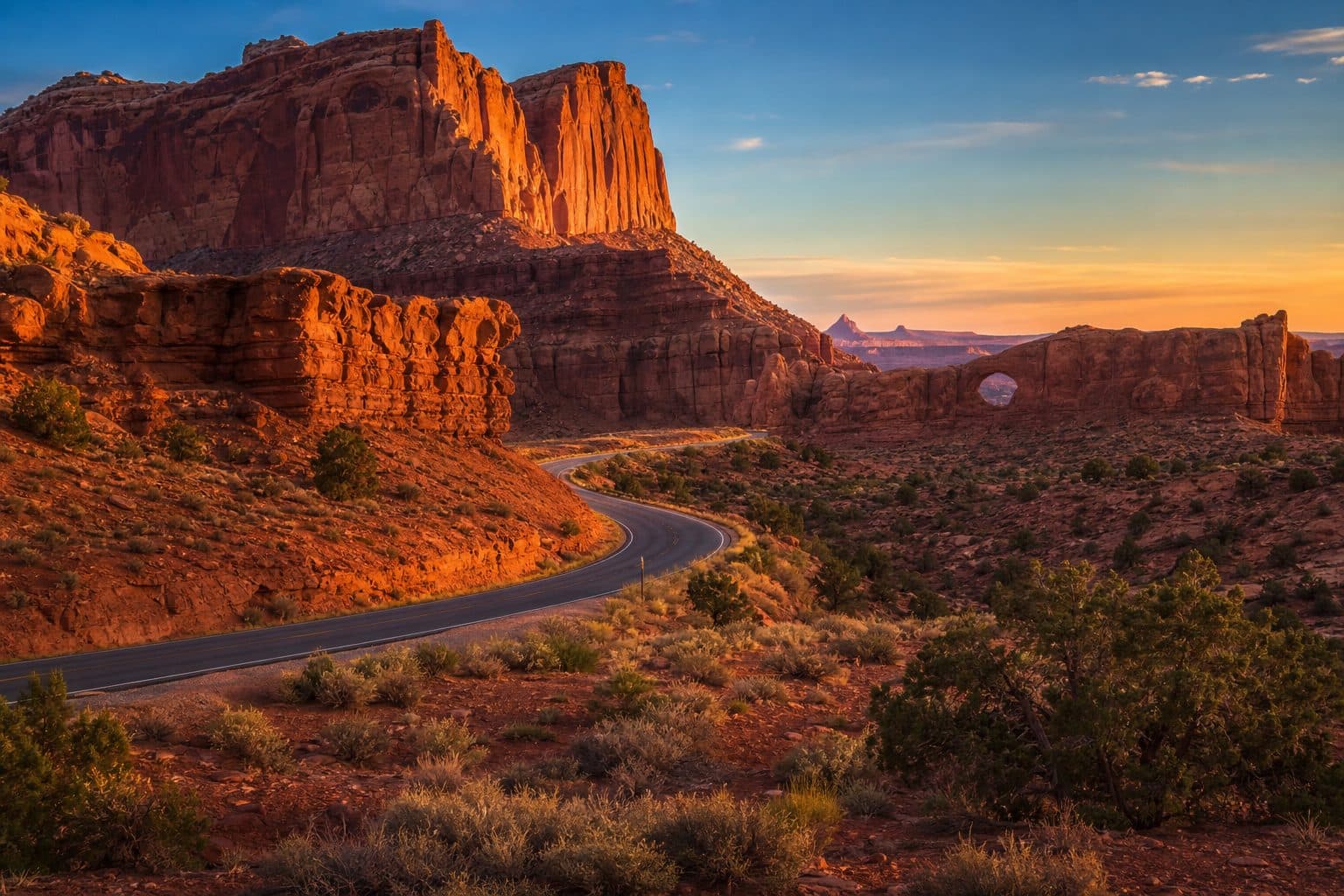
A Utah national parks road trip — the famous 'Mighty 5' — strings together five of America's most spectacular red-rock parks in a single loop: Zion, Bryce Canyon, Capitol Reef, Arches and Canyonlands. This seven-day itinerary starts and finishes in Las Vegas, the nearest major gateway, heading north into Utah and working roughly west to east before the long, scenic run back. Expect slot canyons and hoodoos, towering sandstone arches and canyon-rim viewpoints, linked by some of the finest drives in the country.
- Duration
- 7 days
- Distance
- 1,045 miles
- Start and finish
- Las Vegas circular loop (or fly out of Salt Lake City)
- Best time
- Spring (April to May) and autumn (September to October) are the sweet spots, with comfortable temperatures and thinner crowds than midsummer. High summer is very hot, especially around Moab in the east, where afternoons regularly top 35°C. Winter brings snow to high-altitude Bryce Canyon and can close some scenic roads, but the parks are at their quietest.
See the ready-made plan
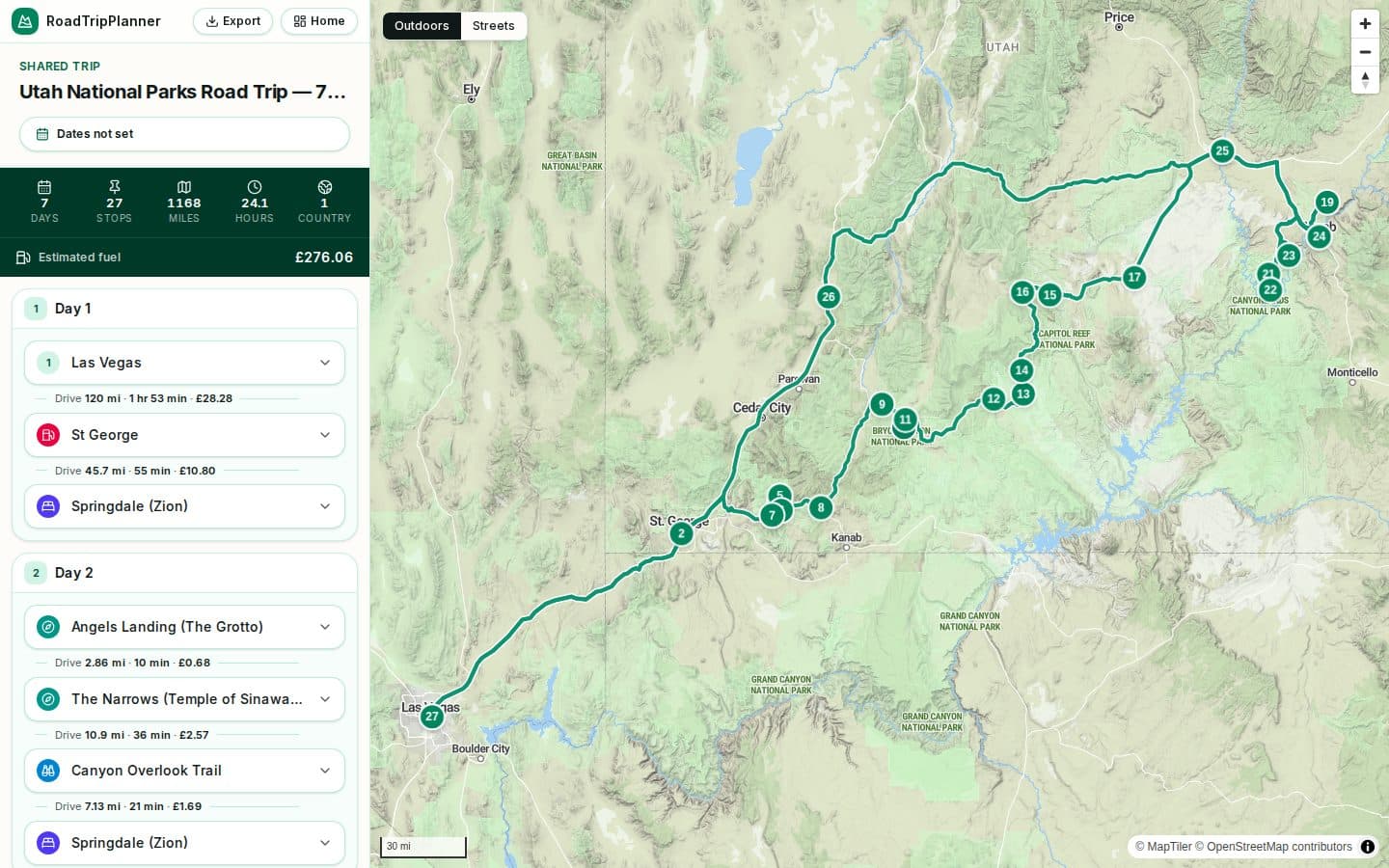
The full Utah National Parks Road Trip itinerary is already plotted in the planner, day by day. Open it to see the route on the map, then drag stops, add your own and keep notes as you go.
Why drive the Utah National Parks Road Trip?
Utah's Mighty 5 in one loop from Las Vegas — Zion, Bryce Canyon, Capitol Reef, Arches and Canyonlands, with real towns, hikes and the best time to go.
- Zion Canyon and the wade up the Narrows
- Bryce Canyon's amphitheatre of hoodoos
- Scenic Byway 12 over Boulder Mountain
- Delicate Arch and the red rock of Arches
- Mesa Arch and Island in the Sky at Canyonlands
7 days Utah National Parks Road Trip itinerary
Day 1
Las Vegas to Zion
Head north out of Las Vegas on I-15, crossing into Utah past St George, then turn off for Springdale at the gates of Zion. Spend the afternoon on the Zion Canyon shuttle, walking the flat Riverside Walk and the Lower Emerald Pool before settling in for the night, about 160 miles in all.
Day 2
Zion National Park
Give Zion a full day. Tackle Angels Landing if you have a permit, or wade up the Virgin River into the Narrows, then ease off with the Emerald Pools and the short Canyon Overlook Trail on the Mt Carmel Highway. Overnight again in Springdale.
Day 3
Zion to Bryce Canyon
Drive the Zion–Mt Carmel Highway through its famous tunnel, then follow US-89 and SR-12 past Red Canyon up to Bryce. Spend the afternoon along the rim at Sunrise, Sunset and Bryce Points and drop into the hoodoos on the Navajo Loop and Queen's Garden trail, around 85 miles.
Day 4
Bryce to Capitol Reef via Scenic Byway 12
Today is one of America's great drives — Scenic Byway 12 through Escalante and Boulder, over the shoulder of Boulder Mountain to Torrey. Stop for the Calf Creek Falls walk en route, then explore Capitol Reef's Scenic Drive, the orchards at Fruita and the Hickman Bridge trail, about 120 miles.
Day 5
Capitol Reef to Moab and Arches
Follow SR-24 east past Hanksville to I-70, then drop south to Moab. Spend the late afternoon in Arches National Park — Balanced Rock and the Windows, then the hike out to Delicate Arch for sunset — roughly 150 miles, with the night in Moab.
Day 6
Canyonlands and Dead Horse Point
Head up to the Island in the Sky district of Canyonlands for sunrise at Mesa Arch, the view from Grand View Point and the Green River Overlook, then loop back via Dead Horse Point State Park for its gooseneck bend of the Colorado. Around 70 miles of local driving and a second night in Moab.
Day 7
Moab back to Las Vegas
The loop closes with the long drive back — I-70 west then I-15 south to Las Vegas, roughly 460 miles, so make an early start. If you would rather skip the haul, many travellers fly home from Salt Lake City or Grand Junction instead and end the trip in Moab.
Planning tips
Book the gateway towns early
Springdale, Bryce Canyon City, Torrey and Moab have limited rooms and fill months ahead in spring and autumn. Lock in accommodation before you fix the dates around hikes.
Sort the Angels Landing permit
Zion's Angels Landing hike needs a permit from a seasonal lottery. Apply in advance if it's on your list, and have the Narrows or Observation Point lined up as a backup.
Carry far more water than you think
The eastern parks are high desert with little shade. Carry plenty of water per person, start hikes early, and keep the tank topped up — fuel and shops are sparse between Capitol Reef and Moab.
Consider a one-way to save a day
The drive back to Las Vegas is long. Flying out of Salt Lake City, or picking the car up there and finishing in Moab, turns the loop into a more relaxed one-way trip.
Utah National Parks Road Trip FAQ
How many days do you need for a Utah national parks road trip?
Seven days is comfortable for the Mighty 5, with a full day in Zion and time around Moab for both Arches and Canyonlands. Five days is the rushed minimum; ten lets you add longer hikes and slow the pace right down.
What is the best order for the Mighty 5?
From Las Vegas the natural order is roughly west to east: Zion first, then Bryce Canyon, Capitol Reef, and finally Arches and Canyonlands around Moab before the drive back. It keeps backtracking to a minimum and saves the long return for the end.
Where should you start a Utah national parks road trip?
Las Vegas is the most popular start, about two and a half hours from Zion with plenty of flights and car hire. Salt Lake City works well too, especially if you want to end in Moab and fly home rather than loop all the way back.
When is the best time to drive the Mighty 5?
April to May and September to October offer the best mix of warm-but-not-scorching weather and lighter crowds. Midsummer is very hot around Moab, and winter snow can close higher roads near Bryce Canyon.
Can you see Utah's national parks without serious hiking?
Yes. Every park has scenic drives and rim or roadside viewpoints — Zion's shuttle stops, Bryce's amphitheatre overlooks, Capitol Reef's Scenic Drive, the Arches windows and Canyonlands' Island in the Sky — so you can take in the highlights on only short walks.
Related road trips
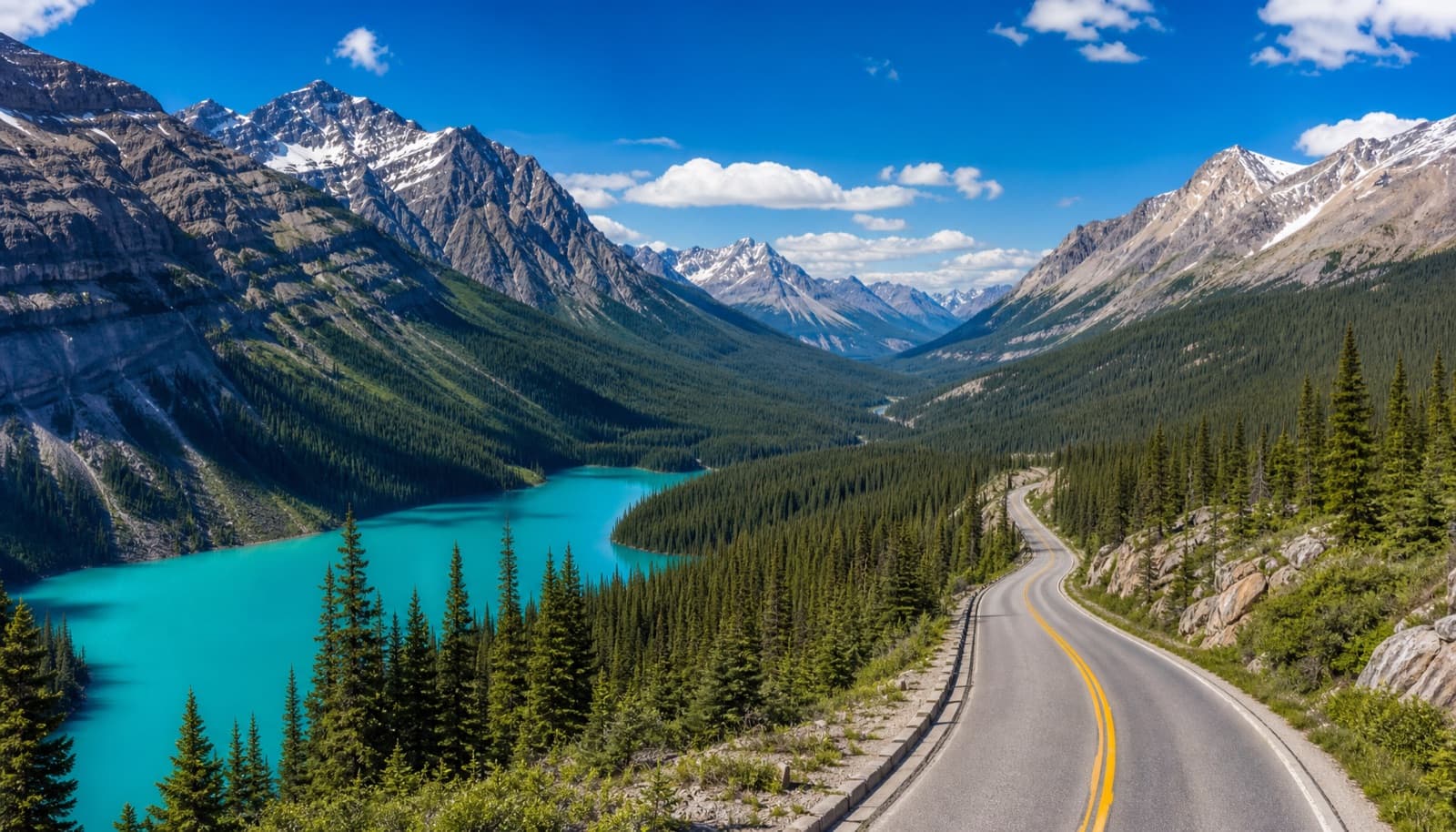
British Columbia to Alberta
Vancouver to Calgary across the Canadian Rockies — Okanagan wine country, Banff, Lake Louise and the Icefields Parkway to Jasper.
- Duration
- 7–10 days
- Distance
- 600 miles
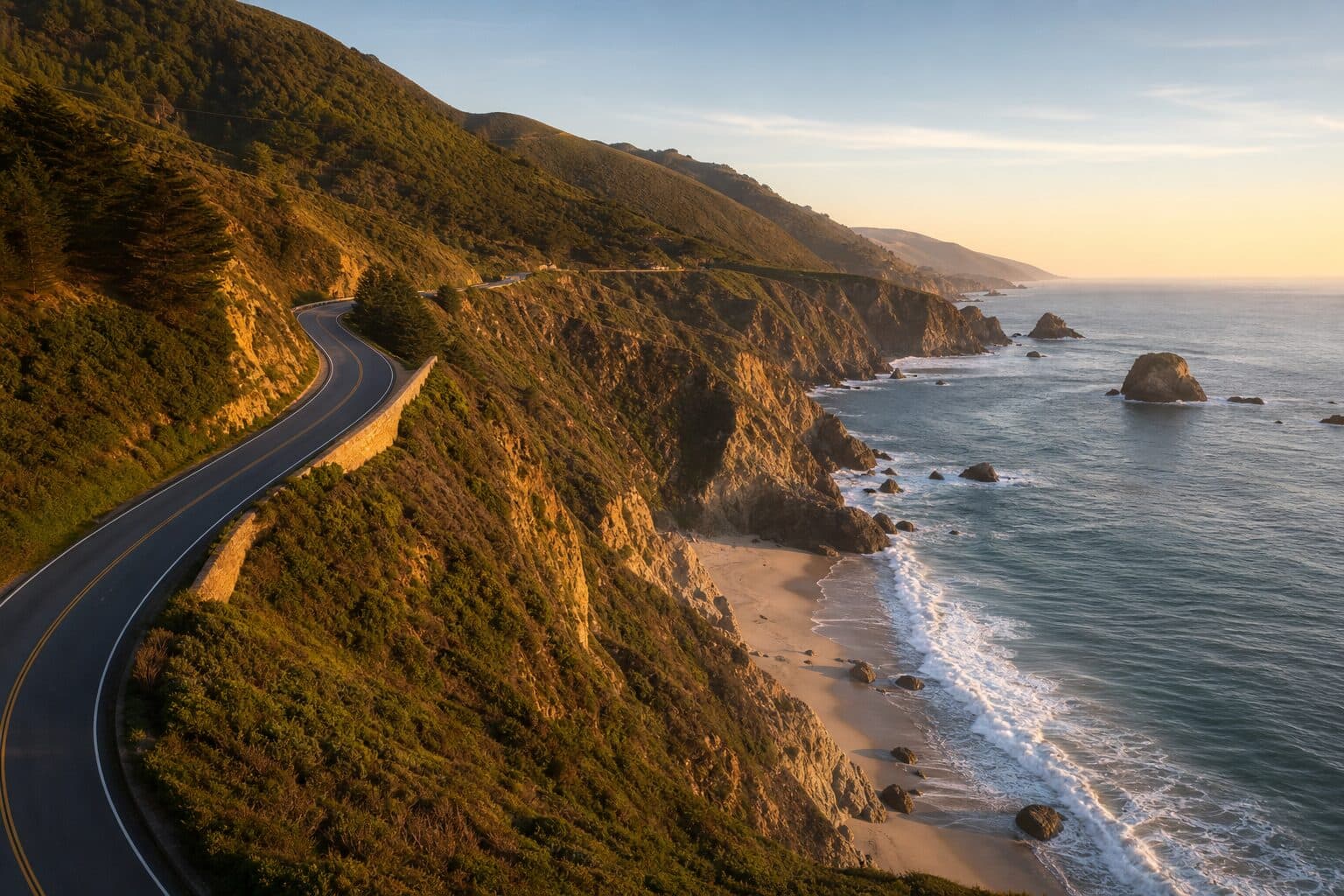
California Road Trip
Drive the California coast on Highway 1 from San Francisco to Los Angeles — Monterey, Big Sur, Hearst Castle, Morro Bay and Santa Barbara along the way.
- Duration
- 5 days
- Distance
- 470 miles
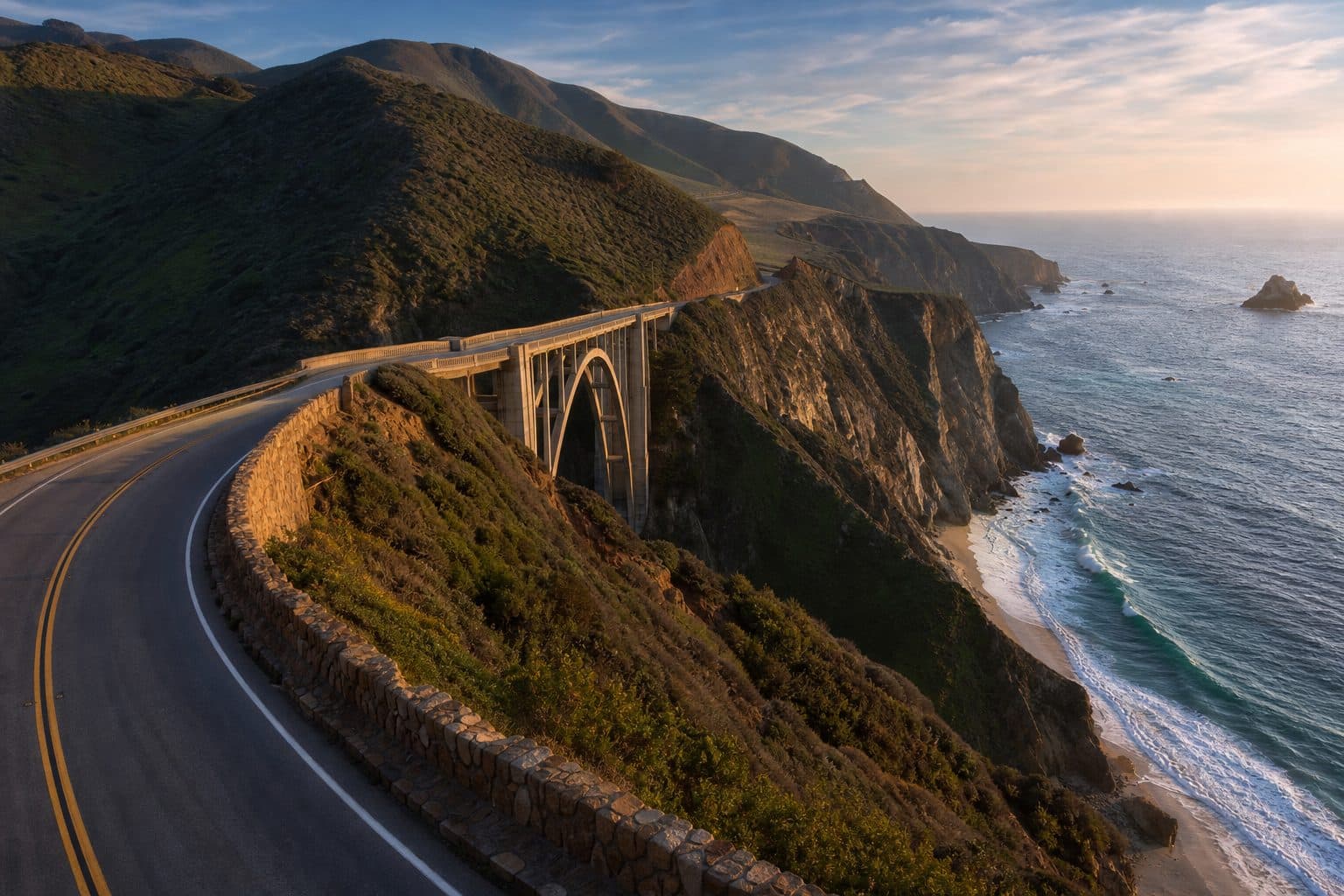
Pacific Coast Highway Road Trip
Drive the full Pacific Coast Highway on California's Highway 1 from San Francisco to San Diego — Big Sur, Hearst Castle, Santa Barbara, Malibu and the southern beach towns.
- Duration
- 7 days
- Distance
- 600 miles